
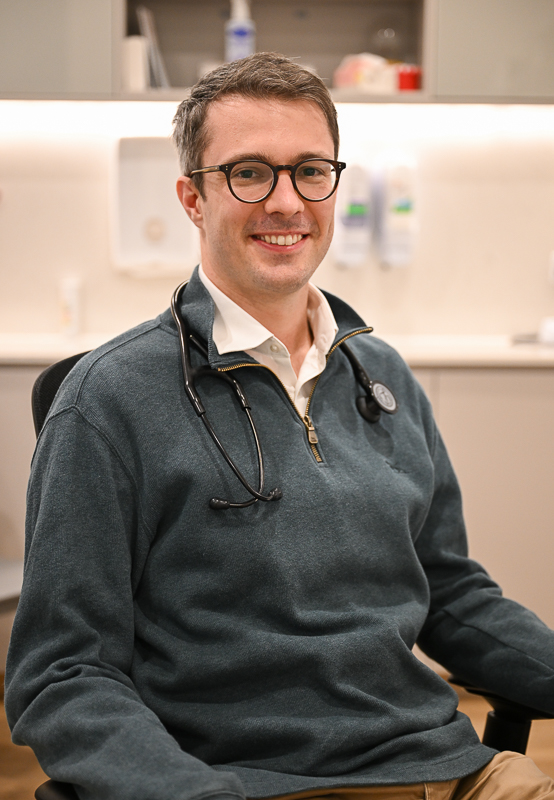
Dr Andrew Leigh
Doctor of Medicine, University of Sydney 2020
Acute IllnessChronic Disease Prevention & ManagementMental HealthSexual HealthTravel HealthWork Health
Learn More
If you think you are at risk of having an STI, or recently were told by someone that you have had sex with those who had a STI then it’s a good time to come in and chat about your sexual health.
It’s important to know that we may ask some questions that clarify your risks, but we never pass any judgement on sexual practices. Everybody has different tastes; all we want to do is make sure you’re staying safe while having sex.
It depends on what kind of sex you’re having. We want to check for both bacterial and viral infections, and this can involve a urine sample, swabs and a blood test.
Swabs can be collected from the throat, urethra, cervix and rectum. They are also taken if there are lesions that are suspicious for genital herpes or syphilis.
Urethral swabs are required in patients with symptoms of urethritis and discharge (if the discharge isn’t directly present).
Often sexual health tests will be conducted looking for:
If you’re having issues with the skin, then a physical examination may be all that’s required to have a look and make a diagnosis. Common sexually transmitted skin conditions include:
Not every test is necessary for every person, so have a chat to your doctor to decide what should be checked and how often.
Anytime that you think you may have been exposed to an STI.
This often means having unprotected sexual intercourse, or if a recent partner has told you they have been diagnosed with an STI, or they’ve had sexual contact from someone diagnosed with an STI.
If you are sexually active, then chlamydia (and sometimes gonorrhoea) should be tested for annually or more frequently if the risk is higher.
If you fall into a higher risk category, then you may need testing more frequently.
These groups include people who.
If you think you are at higher risk, then STI testing up to 4 times a year is advised.
There is absolutely nothing to be embarrassed about when it comes to sex. Although it can be rather personal and something private, it is important to talk openly to your doctor about your concerns and sexual practices. Some typical questions we might ask you are:
And so on.
We will discuss this at the time of testing, but here are the basics.
One thing that makes people quite anxious is how do they let their sexual contacts know to get tested and treated. It should be reassuring that most people report appreciation at being informed, rather than finding out later when they develop symptoms.
Each condition has a different contact tracing period so your doctor will help guide you here.
If you absolutely cannot tell your previous partners about potential exposure, you can always use websites such as
Or let your doctor know so they can help inform your partners.
Not having sex really isn’t an acceptable option to most people, so we have to rely on the next best thing.
They do work, and they work well. However, they do need to be used properly to reduce and prevent the chance of becoming infected with an STI. It’s important to remember they still aren’t 100% and don’t protect against all STI’s, but are very effective in preventing HIV, chlamydia and gonorrhoea. Syphilis can be protected if a sore is covered by the condom, but it can still affect areas outside of this.
Asking your potential partners about any known STI’s or recent checks can be helpful, but also isn’t 100%.
For people at high risk of developing HIV, there is medicine available to prevent the chance of contracting the virus if taken every day. This is called PrEP, and you can read more about it here.
Dr Andrew Leigh
Doctor of Medicine, University of Sydney 2020
Acute IllnessChronic Disease Prevention & ManagementMental HealthSexual HealthTravel HealthWork Health
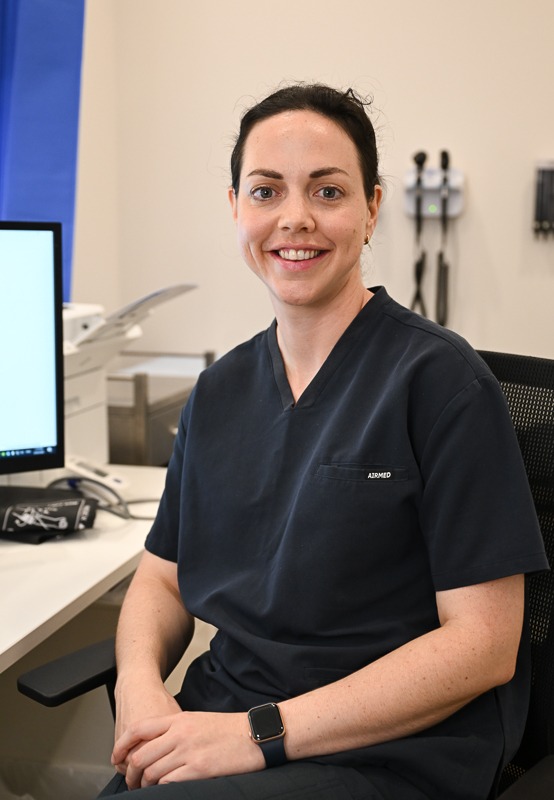
Dr Isabel Watkins
BMED(2019); FRACGP
Acute IllnessChild Health ServicesChronic Disease Prevention & ManagementMental HealthReproductive HealthSexual HealthSkin CancerSurgical ProceduresTravel HealthWomen’s HealthWork Health
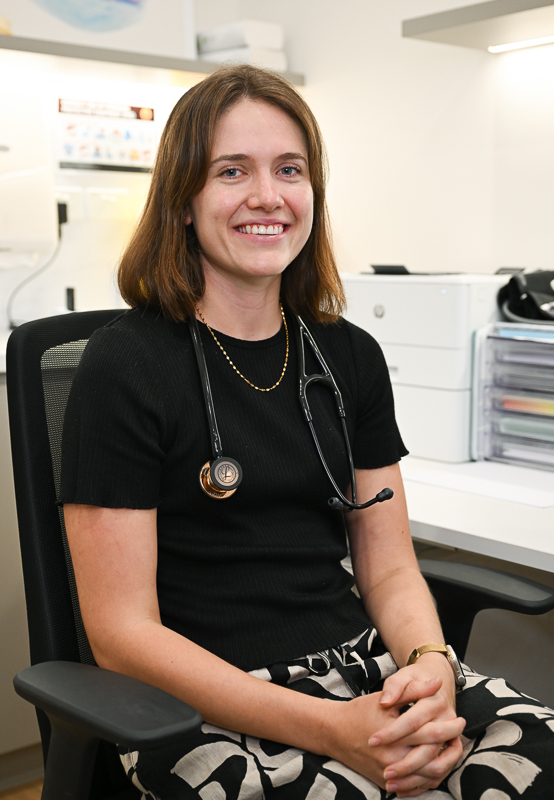
Dr Kate Gatman
MBChB
Acute IllnessChild Health ServicesChronic Disease Prevention & ManagementHealth OptimisationMental HealthReproductive HealthSexual HealthTravel HealthWomen’s HealthWork Health

Dr Joshua Mortimer
BMedSci; MBBS; FRACGP
Acute IllnessChild Health ServicesChronic Disease Prevention & ManagementMental HealthReproductive HealthSexual HealthSkin CancerTravel HealthWork Health

Dr Jennifer Huo
BMed MD; FRACGP
Acute IllnessChild Health ServicesChronic Disease Prevention & ManagementMental HealthReproductive HealthSexual HealthTravel HealthWomen’s HealthWork Health

Dr Jason Boyd
MBBS; FRACGP; SCHP
Acute IllnessChild Health ServicesChronic Disease Prevention & ManagementMental HealthSexual HealthSkin CancerSurgical ProceduresTravel HealthWork Health

Dr Rosemary Chen
BMed; FRACGP
Acute IllnessAlopecia Areata TreatmentAntenatal CareChild Health ServicesChronic Disease Prevention & ManagementHIV ManagementMental HealthReproductive HealthSexual HealthTravel HealthWomen’s HealthWork Health
Dr Atari Metcalf
BSc (Health Promotion); MD; FRACGP
Acute IllnessAlopecia Areata TreatmentChronic Disease Prevention & ManagementHIV ManagementReproductive HealthSexual HealthTravel HealthWomen’s Health

Dr Stephanie Andriputri
MBBS; BA; DRANZCOG; DCH; FRACGP
Acute IllnessChild Health ServicesChronic Disease Prevention & ManagementMental HealthReproductive HealthSexual HealthTravel HealthWomen’s HealthWork Health

Dr Min Yin Huang
MBBS; FRACGP; DCH; FPAA Nat Cert
Acute IllnessAntenatal CareChild Health ServicesChronic Disease Prevention & ManagementMental HealthReproductive HealthSexual HealthSkin CancerSurgical ProceduresTravel HealthWork Health

Dr Winnie Yao
MBBS; Paed Cert; FRACGP; SH+FPA
Acute IllnessAlopecia Areata TreatmentAntenatal CareChild Health ServicesChronic Disease Prevention & ManagementMental HealthReproductive HealthSexual HealthTravel HealthWomen’s HealthWork Health

Dr Natasha Bartos
MBBS; FRACGP; MPH; DCH; FPAA; Nat Cert.
Acute IllnessAntenatal CareChild Health ServicesChronic Disease Prevention & ManagementHIV ManagementMental HealthReproductive HealthSexual HealthTravel HealthWomen’s HealthWork Health

Dr Caitlin Weston
CF; BLibSt; MBBS; FRACGP
Acute IllnessChild Health ServicesChronic Disease Prevention & ManagementMental HealthReproductive HealthSexual HealthTravel HealthWomen’s HealthWork Health

Dr Katherine Hanks
MBBS; FRACGP; DCH
Acute IllnessAntenatal CareChild Health ServicesChronic Disease Prevention & ManagementReproductive HealthSexual HealthTravel HealthWomen’s HealthWork Health
Dr Angela Hurley
B.Sc; MBBS; FRACGP
Acute IllnessChild Health ServicesChronic Disease Prevention & ManagementMental HealthSexual HealthTravel HealthWomen’s HealthWork Health

Dr Victoria Phan
BMed MD (UNSW); MClin US; DCH; FPC; FRACGP
Acute IllnessAntenatal CareChild Health ServicesChronic Disease Prevention & ManagementMental HealthReproductive HealthSexual HealthTravel HealthWomen’s HealthWork Health
Dr Daniel Chanisheff
MBBS (Adel); FRACGP
Acute IllnessAlopecia Areata TreatmentChild Health ServicesChronic Disease Prevention & ManagementCorticosteroid injectionsHIV ManagementMental HealthSexual HealthTravel HealthWork Health
Dr. Joshua Mortimer is back – and Dr. Andrew Leigh has joined Green Square Health
Two pieces of good news from the practice this month: a familiar face has returned, a new one has joined — and between them, getting an appointment at Green Square Health just got noticeably easier, including on Saturdays. Dr Joshua Mortimer is back After paternity leave and a stint providing care in country NSW, Dr […]

MyMedicare: what it is, why it’s worth two minutes, and how to register with Green Square Health
If Green Square Health is your regular practice, registering with us on MyMedicare is one of the most useful two-minute admin tasks you can do this year. It’s free, voluntary, and run by the Australian Government — and since late 2025, being registered has come with practical benefits that directly affect your Medicare rebates. What […]

You Said, We Did: Results from Our Patient Survey

Why Winter Is the Best Time to Get a Skin Check

Neurosurgery

Specialists

Child Health Services

Women’s Health
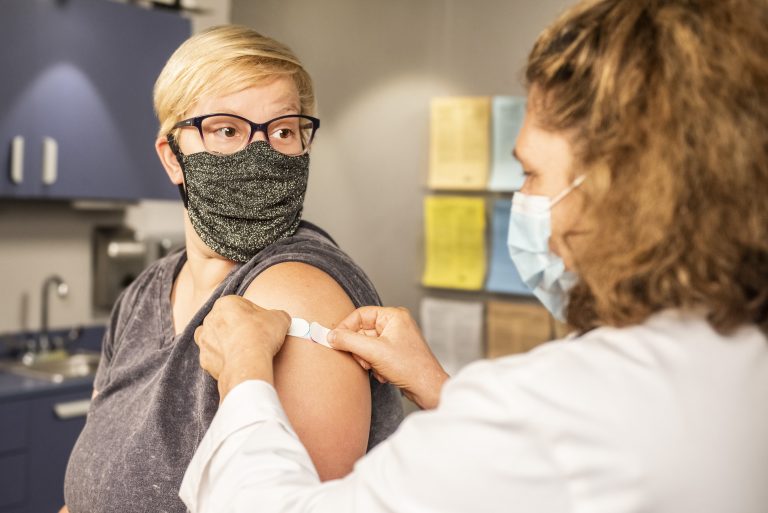
Immunisations

Chronic Disease Prevention & Management
Acute illness

Preventative health

Skin Cancer

Travel Health

Malaria
Yellow Fever

Sexual Health

Surgical Procedures
Work Health

Mental Health

Reproductive Health

Physiotherapy
Pathology